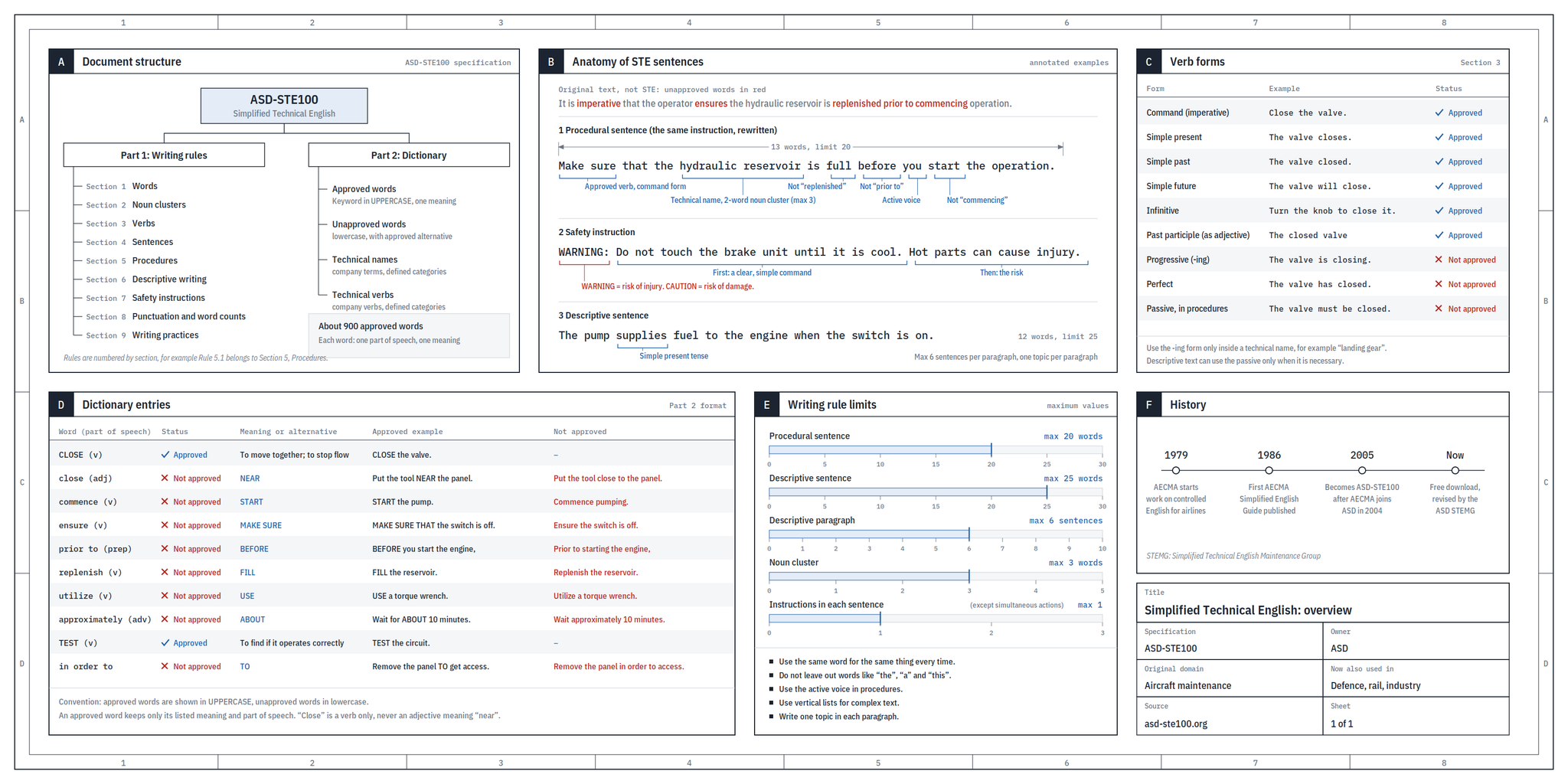
Make AI Explanations Easier to Read with ASD-STE100
Use Simplified Technical English to make AI explanations clearer: short sentences, consistent names, explicit actions, and a prompt you can copy.
Read articleTopic Pillar & Hub
Architecture, Evaluation Loops, and Context Control for Autonomous Coding Agents
Moving beyond toy demos requires robust engineering around coding agent loops. This topic covers context governance, verification harnesses, MCP integration, and the failure modes encountered when agents write production code.
Designing state machines and decision trees that guide agents from requirement to verified PR.
Keeping active working memory clean and isolating agent execution from noisy logs.
Automated test execution, lint checks, and self-healing review loops.
Define crisp acceptance criteria before handing control to autonomous loops.
Ensure the agent receives compiler/test errors directly in its feedback loop.
Prevent destructive actions and infinite retry loops with deterministic exit conditions.
Context pollution and lack of deterministic verification. Agents rarely fail on simple logic; they fail when error logs flood the context window.
Field Reports & Case Studies
Use Simplified Technical English to make AI explanations clearer: short sentences, consistent names, explicit actions, and a prompt you can copy.
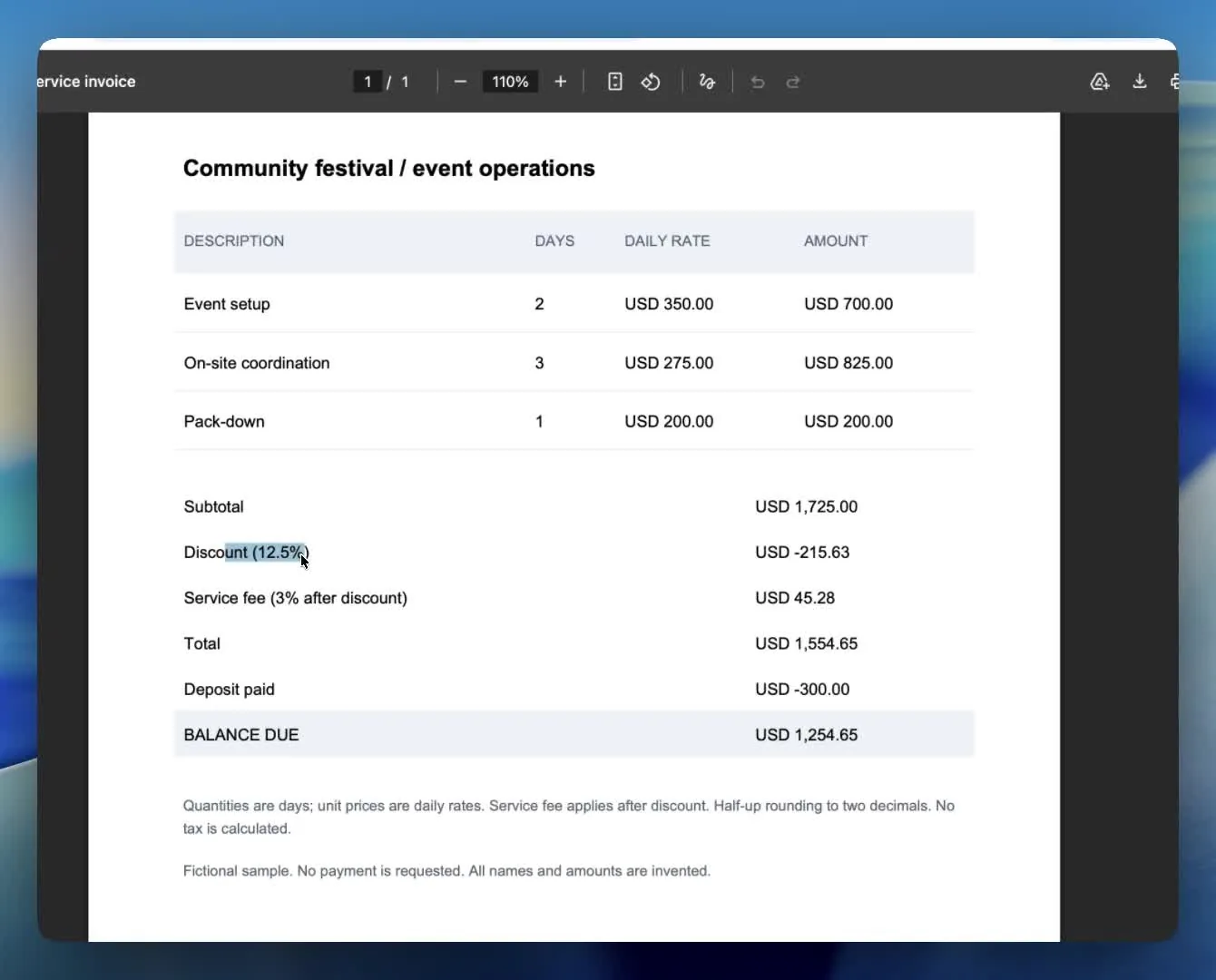
Read articleI open-sourced a PDF invoice skill for coding agents. One prompt updates days, discount, fees, and the balance due on a generated PDF.
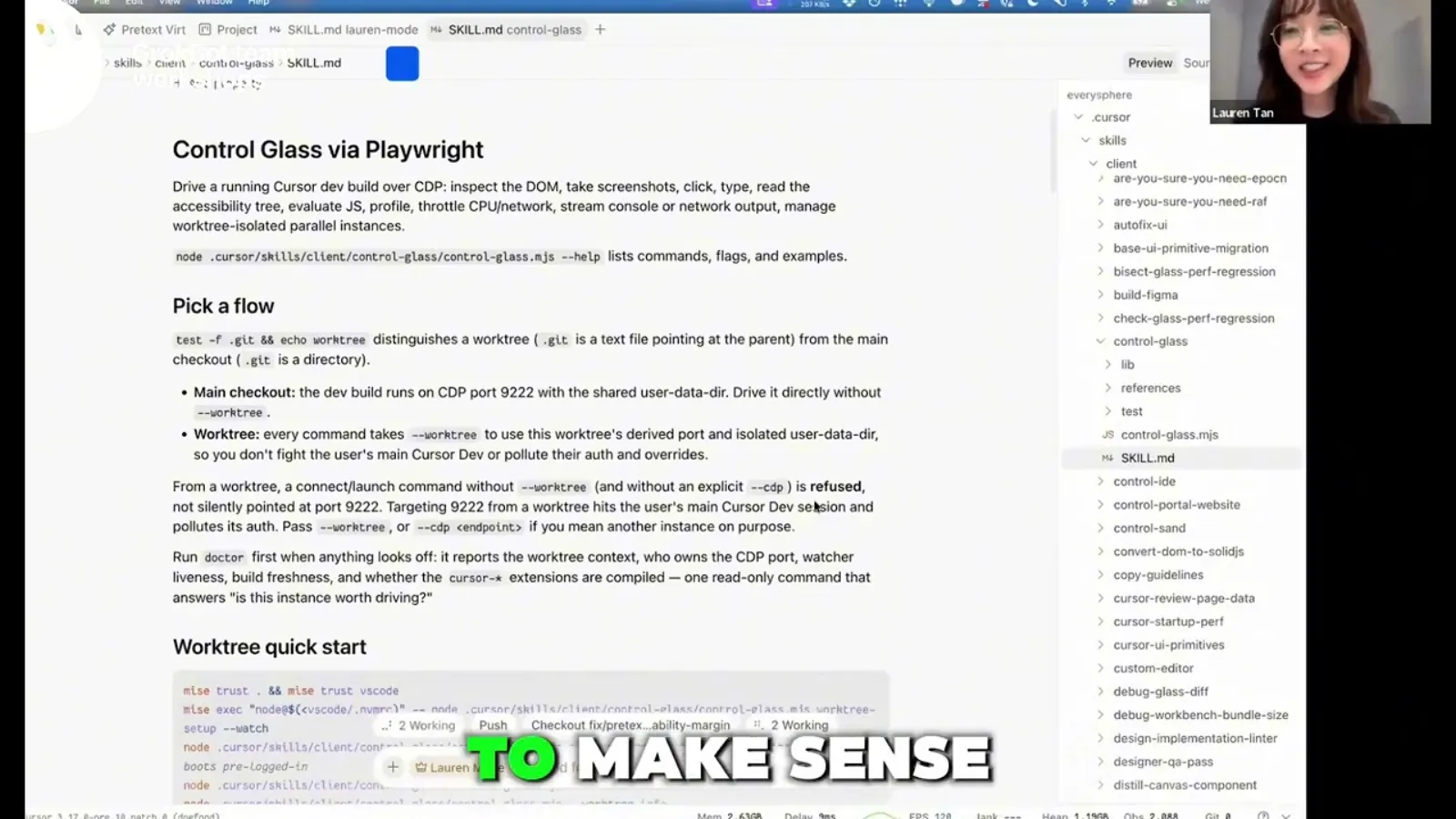
Read articleLauren Tan merged 1,000 PRs last month with agent auto-merge. Her 4-layer system: verification, feature maps, CI constraints, and guardrail accumulation.
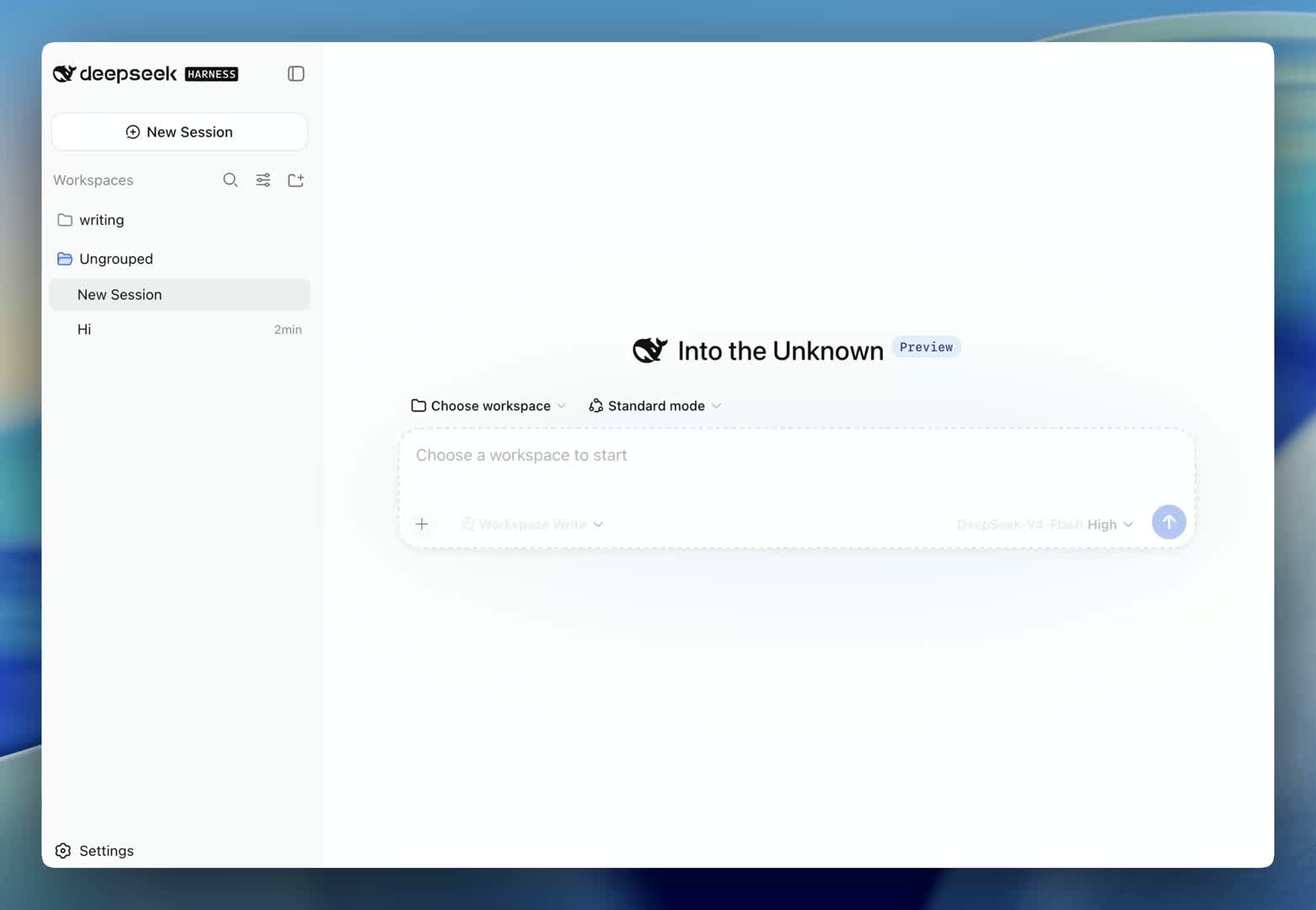
Read articleDeepSeek Harness separates models, tools, sessions, permissions, and interfaces into plugins that builders can replace and combine.
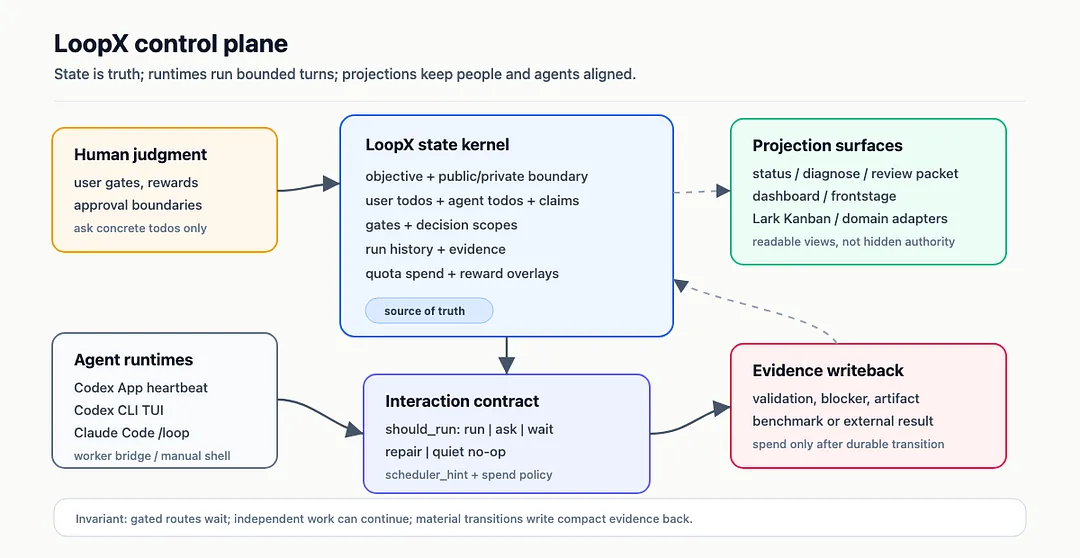
Read articleLoopX keeps goals, evidence, ownership, quotas, and handoffs stable across long-running agent sessions without replacing the agent runtime.
Read articleA hands-on Kimi K3 backend audit across 68K lines of FastAPI code, including query fixes, measured results, and the full task cost.
Read articlePrompt, context, harness, loop, graph: five stacked layers that move reliability out of the model and into the system around it.
Read articleA DigitalOcean migration that used to take half a day. I set up SSH, described the target state, and Codex did the rest.
Read articleOn July 10, GPT-5.6 Sol deleted a tester's home directory after a failed $HOME expansion. How the incident happened, and three layers of defense.
Read articleHeadroom sits between your agent and the model, classifying and compressing tool output before it fills the context window.
Read articleWrangler --temporary gives an agent a 60-minute Cloudflare account, a live workers.dev URL, and a claim link. No OAuth, no MFA, no human click.
Read articleA leaked Doubao skill pack shows 25 modular skills and 283 files organized around real work objects, not one giant agent.
Read articleloops.elorm.xyz packages 40 agent loop templates by category so you can copy a kickoff prompt into Claude Code, Cursor, Codex, or Gemini CLI.
Read articleA practical roadmap for deciding whether to build an agent loop, then adding automation, state, verification, tools, and security controls in the right order.
Read articlePeter Steinberger and Boris Cherny both say the job is designing loops, not writing prompts. Feedback, stop conditions, and token cost decide if it works.
Read articleYC partner Tom Blomfield's framing: make company knowledge machine-readable, then run loops that sense, decide, act, and improve overnight.
Read article